
Dachshund Puppy Care & Ownership Guide
Life With a Dachshund Puppy in Your Home
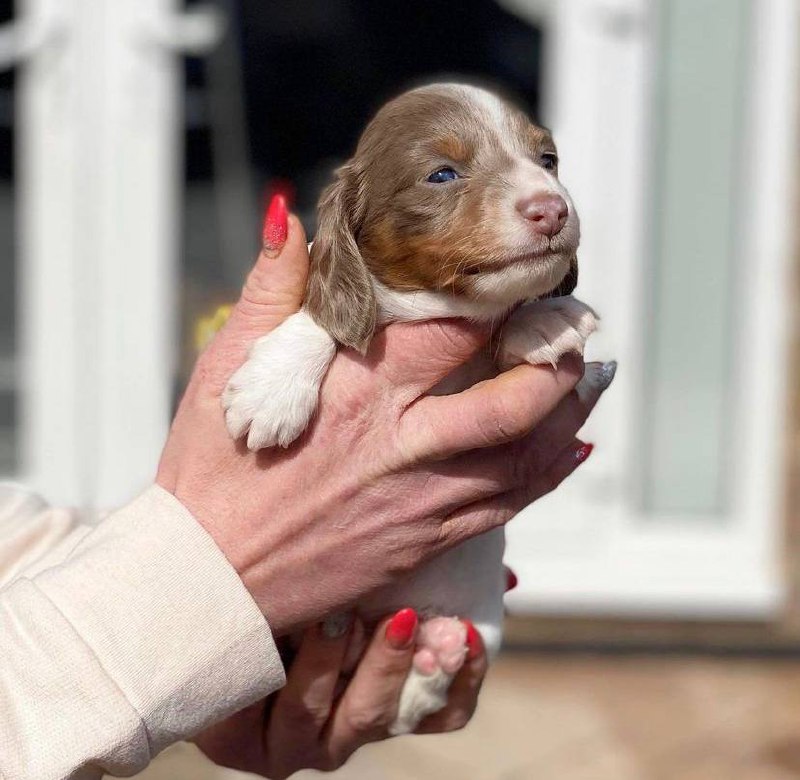
Dachshunds are intelligent, affectionate, curious, and full of personality. However, their long bodies, short legs, and independent nature also create specific care needs that families should understand before bringing a puppy home. This guide is designed to help you feel prepared, confident, and informed as you begin life with your new Dachshund.
Every puppy develops at its own pace. Therefore, the advice below provides practical guidance for creating a safe routine, supporting healthy growth, and helping your Dachshund become a happy family companion.
Preparing Your Home
Before your Dachshund puppy arrives, prepare a calm, secure environment where your puppy can settle in gradually. Start with a designated area for sleeping, eating, playing, and resting. A predictable routine can also make the first few days easier.
We recommend:
- A comfortable puppy bed or sleeping area
- Food and water bowls
- Puppy-safe toys for play and mental stimulation
- A secure area where your puppy can rest
- Puppy pads or appropriate potty-training supplies
- A crate if you plan to use crate training
- A properly fitted collar or harness and identification tag
Because Dachshunds have long backs, pay particular attention to furniture and stairs. Prevent your puppy from repeatedly jumping from beds, sofas, or other elevated surfaces. Safe handling and sensible home arrangements can help reduce unnecessary strain on the back.
Feeding & Nutrition
Good nutrition supports your Dachshund puppy’s growth, energy, and overall development. Choose a complete and balanced puppy diet and follow feeding guidance from your veterinarian.
Before your puppy comes home, we can explain the current feeding routine, including:
- What your puppy is currently eating
- How often your puppy eats
- How much food is appropriate for the current routine
- How to transition to a different food gradually
Avoid sudden food changes whenever possible. Instead, introduce dietary changes gradually and monitor your puppy’s appetite, digestion, and overall condition.
Weight management also matters throughout a Dachshund’s life. Overfeeding can contribute to excess weight, which can place additional stress on the body. Your veterinarian can help you determine an appropriate feeding plan as your puppy grows.
Growth, Size & Development
Dachshund puppies develop at different rates, so avoid comparing one puppy directly with another. Genetics, nutrition, exercise, and overall care all influence development.
During puppyhood, you may notice:
- Growth happening in stages
- Changes in body shape as the puppy matures
- Increasing confidence and curiosity
- Gradual development of coordination and strength
- Changes in appetite as growth needs change
Dachshunds come in miniature and standard sizes, while individual puppies can also vary in structure and build. Therefore, we do not recommend judging a puppy’s future adult size based only on appearance at a young age.
Grooming & Coat Care
Dachshunds come in smooth, longhaired, and wirehaired coat varieties. Each type has slightly different grooming needs, although all Dachshunds benefit from regular basic care.
Basic grooming should include:
- Regular brushing appropriate for the coat type
- Checking the ears and keeping them clean as advised by your veterinarian
- Regular nail trimming
- Bathing when necessary
- Routine dental care
Introduce grooming gradually while your puppy is young. Gentle handling helps your Dachshund become more comfortable with brushing, nail care, ear checks, and other routine tasks.
Personality & Temperament
Dachshunds are known for being clever, lively, courageous, affectionate, and alert. They often enjoy being involved in household activities and can form strong bonds with their families. At the same time, their independent nature can make consistent training especially important.
Common Dachshund traits include:
- Curiosity and confidence
- Strong attachment to their families
- Playfulness
- Alertness and vocal behavior
- Intelligence and independence
- A natural interest in exploring and following scents
Positive, reward-based training works well for many Dachshunds. Keep training sessions short, consistent, and engaging. Furthermore, early socialization can help your puppy become comfortable with people, sounds, places, and other appropriate experiences.
Exercise & Back Safety
Regular exercise helps Dachshunds stay fit and supports strong muscles. However, exercise should be appropriate for your puppy’s age and development.
Daily activity can include:
- Short walks appropriate for your puppy
- Supervised play
- Gentle exploration
- Interactive toys
- Simple training exercises
Because Dachshunds have a long body and short legs, back safety deserves special attention. Avoid repeated jumping from furniture and discourage running up and down stairs. Instead, create safe routes around the home and supervise your puppy during active play.
Introducing Your Puppy to Other Pets
If you already have another dog or pet, introduce your new Dachshund gradually. Start in a controlled environment and supervise early interactions.
We recommend:
- Giving your puppy a quiet area to settle in
- Introducing pets gradually
- Allowing them to become familiar with each other’s scent
- Supervising face-to-face interactions
- Providing separate food, water, and resting areas when needed
Do not force interaction. Instead, allow relationships to develop naturally while rewarding calm and positive behavior.
Potty Training & Daily Habits
Consistency makes potty training much easier. Establish a regular routine for meals, sleep, play, and bathroom breaks. Take your puppy to the appropriate potty area frequently, especially after waking, eating, drinking, and playing.
Helpful habits include:
- Keeping a consistent daily schedule
- Taking your puppy out regularly
- Praising appropriate bathroom behavior
- Supervising your puppy closely indoors
- Cleaning accidents thoroughly
- Remaining patient during the learning process
Dachshunds are intelligent, but they can also be independent. Therefore, patience and consistency are more effective than punishment.
Training & Socialization
Training should begin early and continue as your Dachshund develops. Start with simple behaviors such as name recognition, sit, down, stay, recall, and appropriate leash behavior.
Keep sessions short and positive. Dachshund puppies can have short attention spans, so frequent, engaging sessions can work better than long training periods. Reward-based methods can also help create a positive connection between good behavior and rewards.
Socialization is equally important. Introduce your puppy gradually to safe people, sounds, surfaces, environments, and experiences. Always consider your veterinarian’s vaccination guidance before exposing a young puppy to higher-risk environments.
Veterinary Care & Ongoing Health
Routine veterinary care plays an important role in responsible Dachshund ownership. Your veterinarian can create a preventive care plan based on your puppy’s age, lifestyle, location, and individual needs.
Ongoing care may include:
- Wellness examinations
- Vaccinations recommended by your veterinarian
- Parasite prevention
- Dental care
- Weight monitoring
- Growth assessments
- Microchip and identification planning
Regular veterinary visits also give you an opportunity to ask questions as your puppy grows. If you notice a significant change in eating, drinking, bathroom habits, energy, movement, or behavior, contact your veterinarian for advice.
Long-Term Commitment
Bringing home a Dachshund puppy is the beginning of a long-term relationship. Your dog will need proper nutrition, exercise, training, grooming, veterinary care, companionship, and patience throughout every stage of life.
A Dachshund can bring tremendous personality and affection to a household. However, responsible ownership requires consistency. When you provide a safe environment, healthy routine, appropriate exercise, positive training, and attentive care, you give your puppy a strong foundation for life.
We’re Here to Help
We provide guidance before pickup and remain available after adoption when questions arise. Every household is different, so we understand that families may need support as their Dachshund settles into a new routine.
For additional information about bringing your puppy home, visit Puppy Adoption Process and Delivery & Pickup.
You can also explore Health Guarantee for information about the health-related terms associated with your puppy.
If you are preparing for your Dachshund’s arrival and have questions about daily care, training, feeding, grooming, or settling in, please Contact Us.